Materials

3D Printing Materials

Choose from a variety of 3D printing filaments and resins — each designed for different applications, finishes, and performance.

Versatile materials
for every application

Filament-based Materials (FDM)

Versatile thermoplastics for durable, functional, and aesthetic prints.
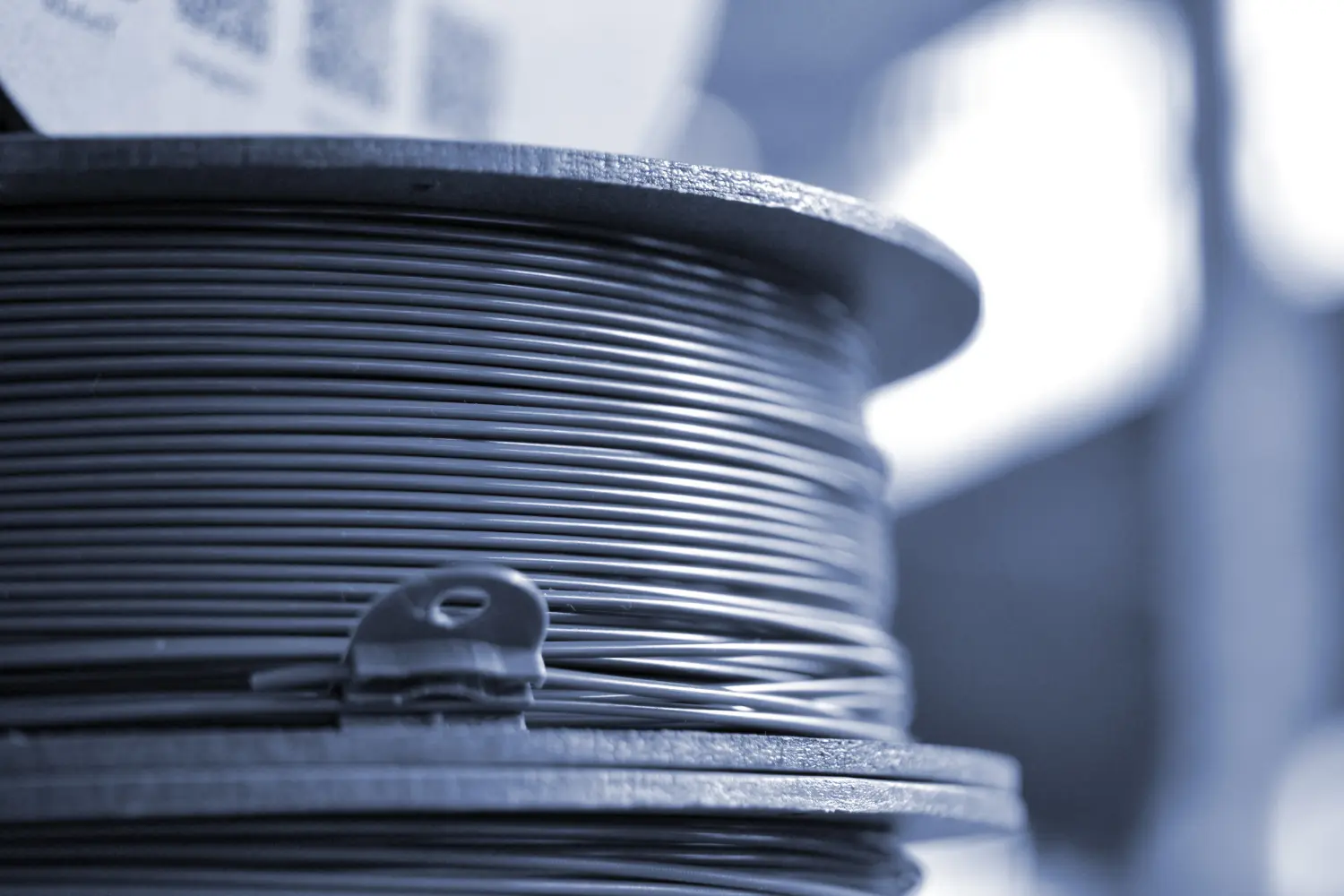
PLA

PLA
Polylactic Acid

Eco-friendly and easy to print. Ideal for prototypes, display models, and low-stress parts. Offers excellent surface finish and dimensional stability.
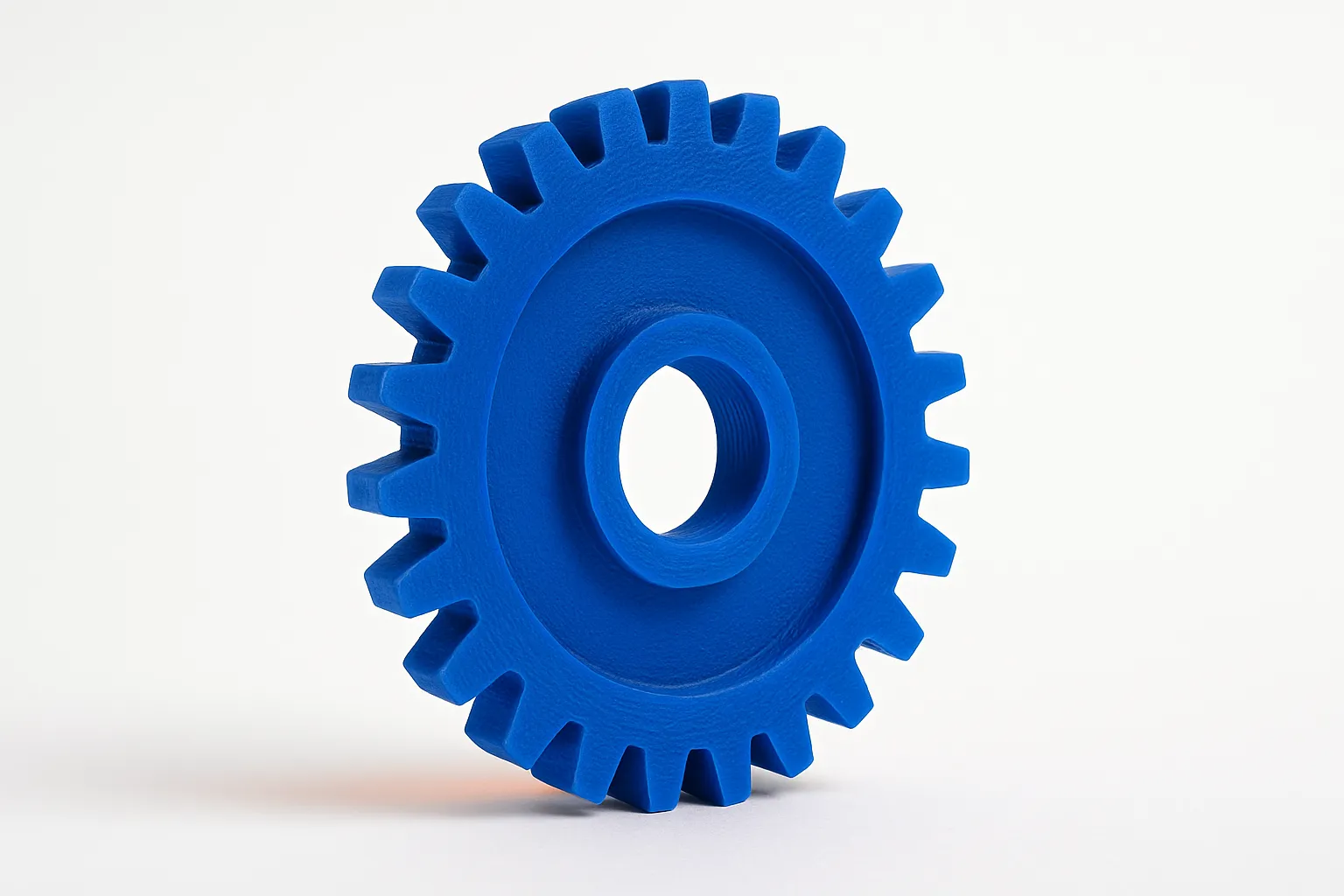
PETG

PETG
Polyethylene Terephthalate Glycol

Durable and impact-resistant with UV and chemical protection. Perfect for functional parts, enclosures, and outdoor applications.
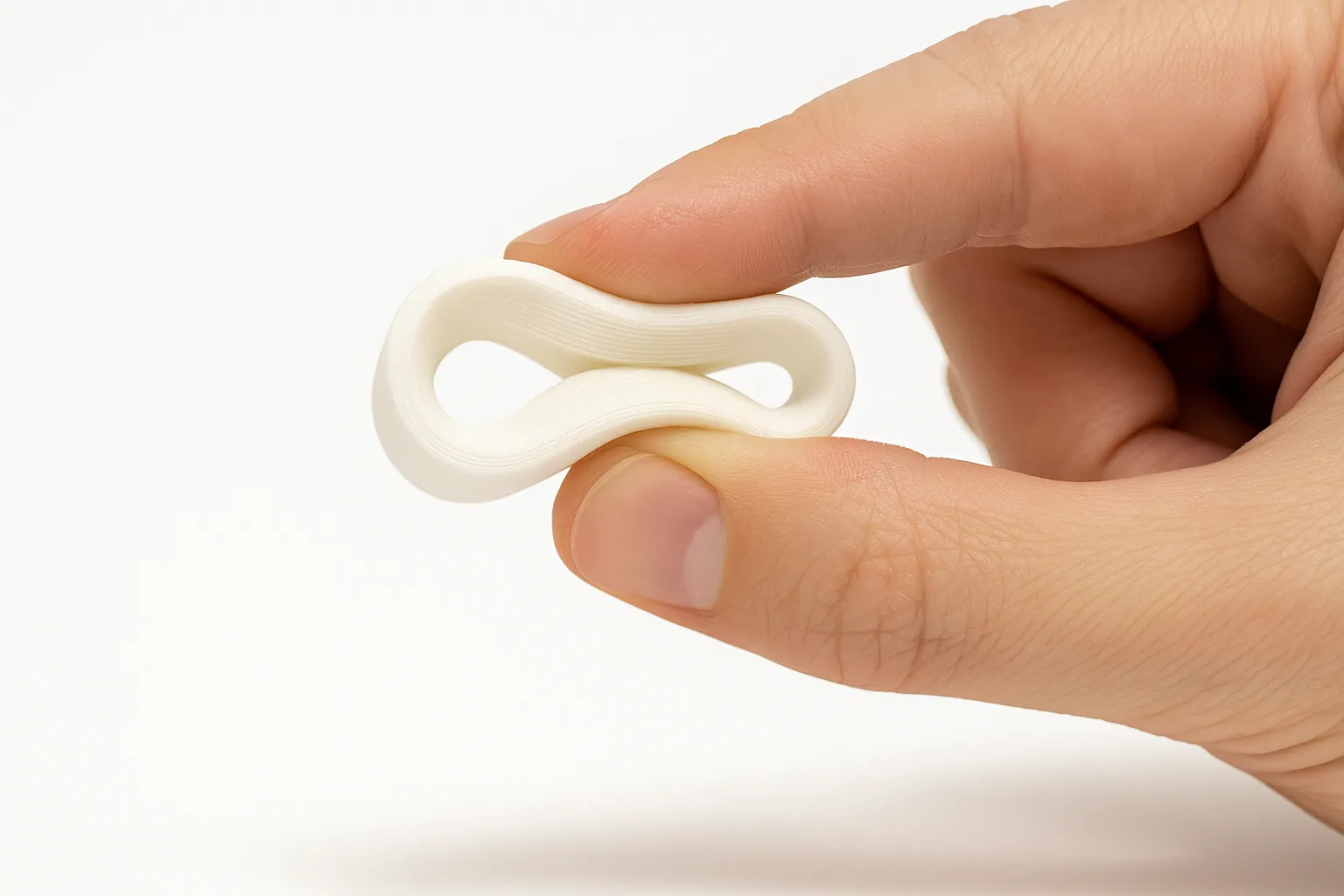
ASA

ASA
Acrylonitrile Styrene Acrylate

Excellent UV and weather resistance. A strong alternative to ABS with smoother surface and great interlayer adhesion — ideal for outdoor use.
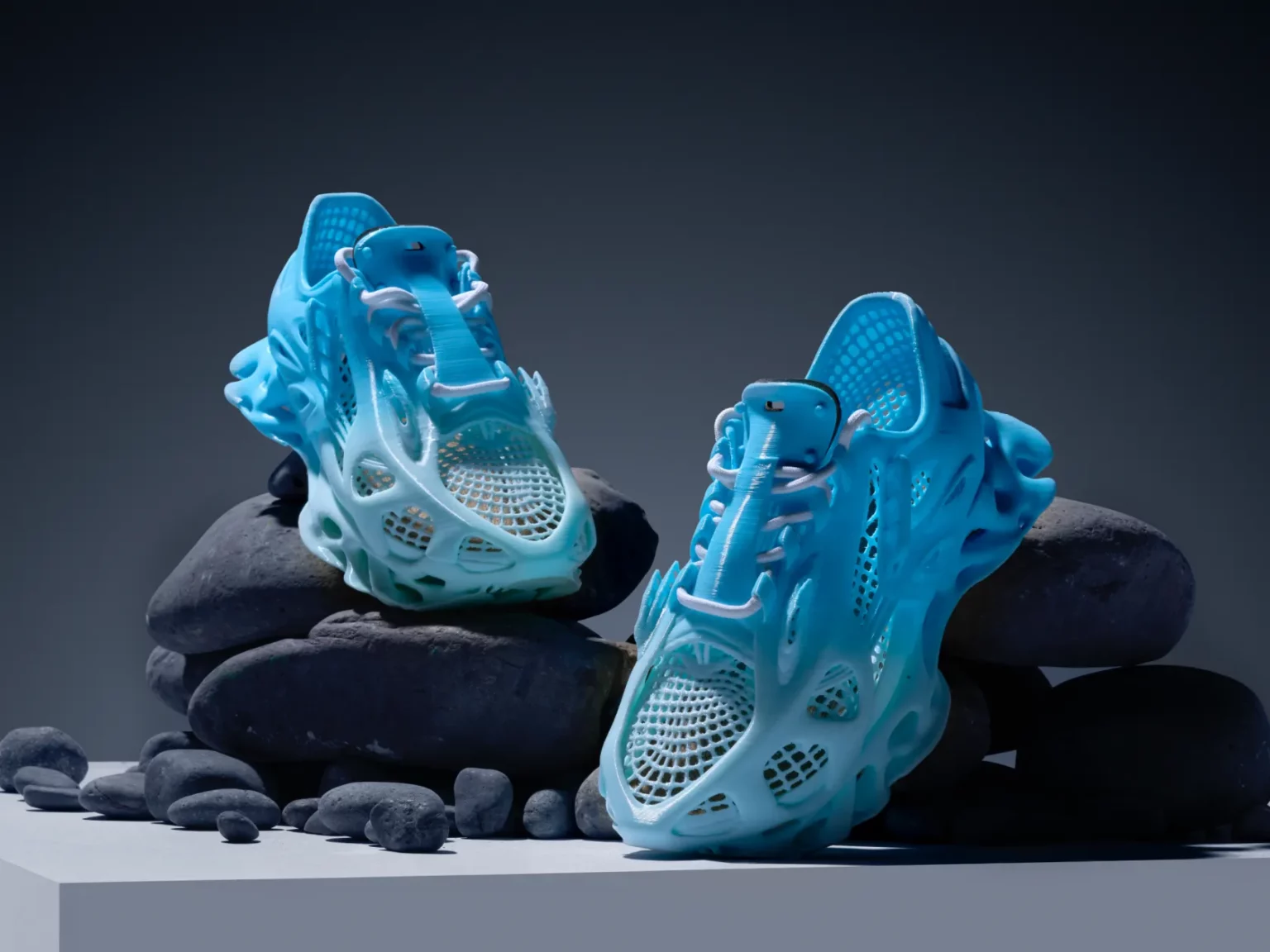
TPU 85A/90A

TPU 85A/90A
Thermoplastic Polyurethane (85A/90A)

Designed for exceptional flexibility and resilience — ideal for printing parts that require cushioning, such as grips, shock absorbers, and protective cases.
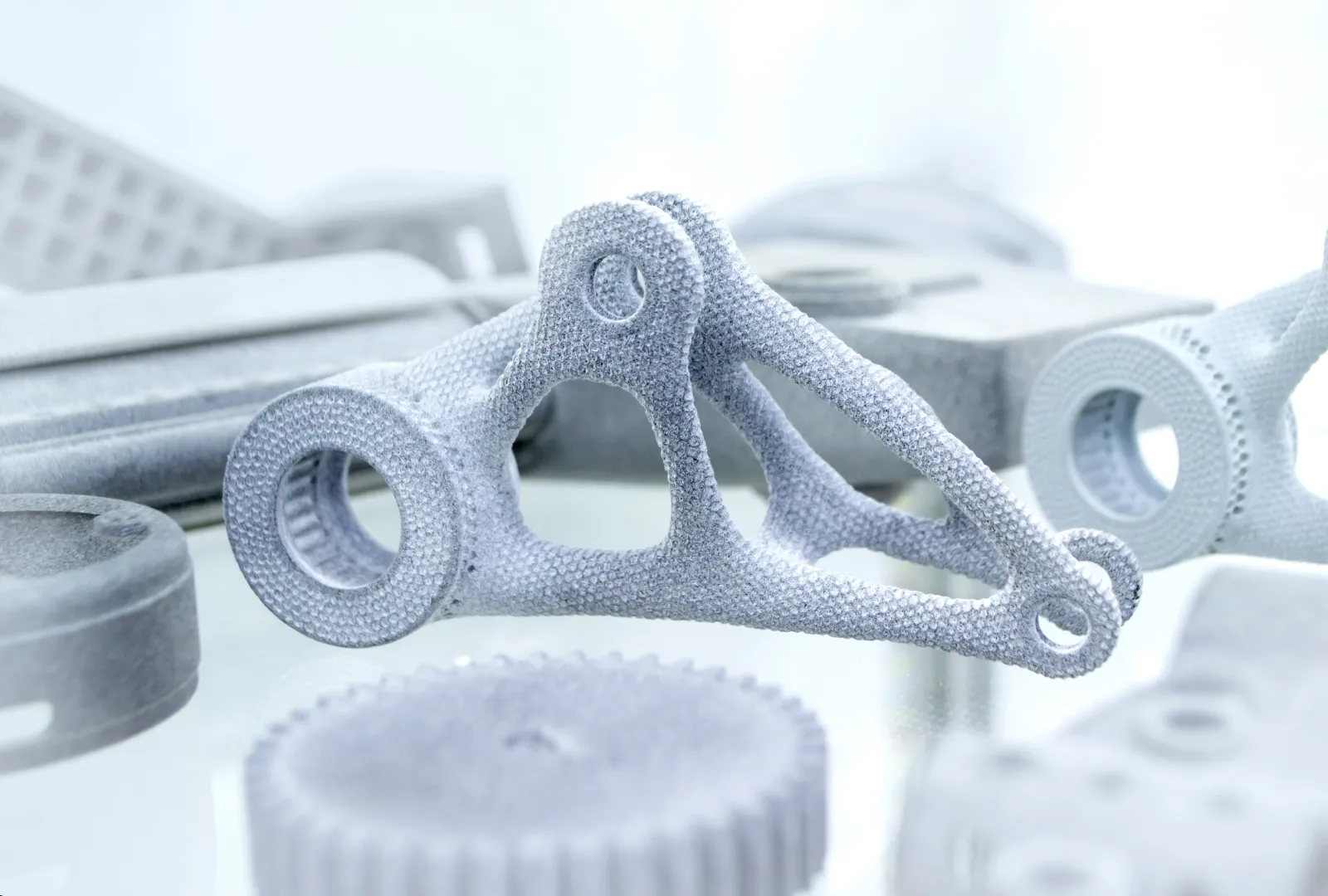
PAHT-CF

PAHT-CF
Polyamide 12 with Carbon Fiber

A composite of PA12 and carbon fiber combining low water absorption of PA12 and the high-performance traits of carbon fiber — excellent mechanical and thermal properties even in wet conditions. Ideal for engineering parts such as functional prototypes, machining fixtures, injection molds, jigs, and low-volume production parts.
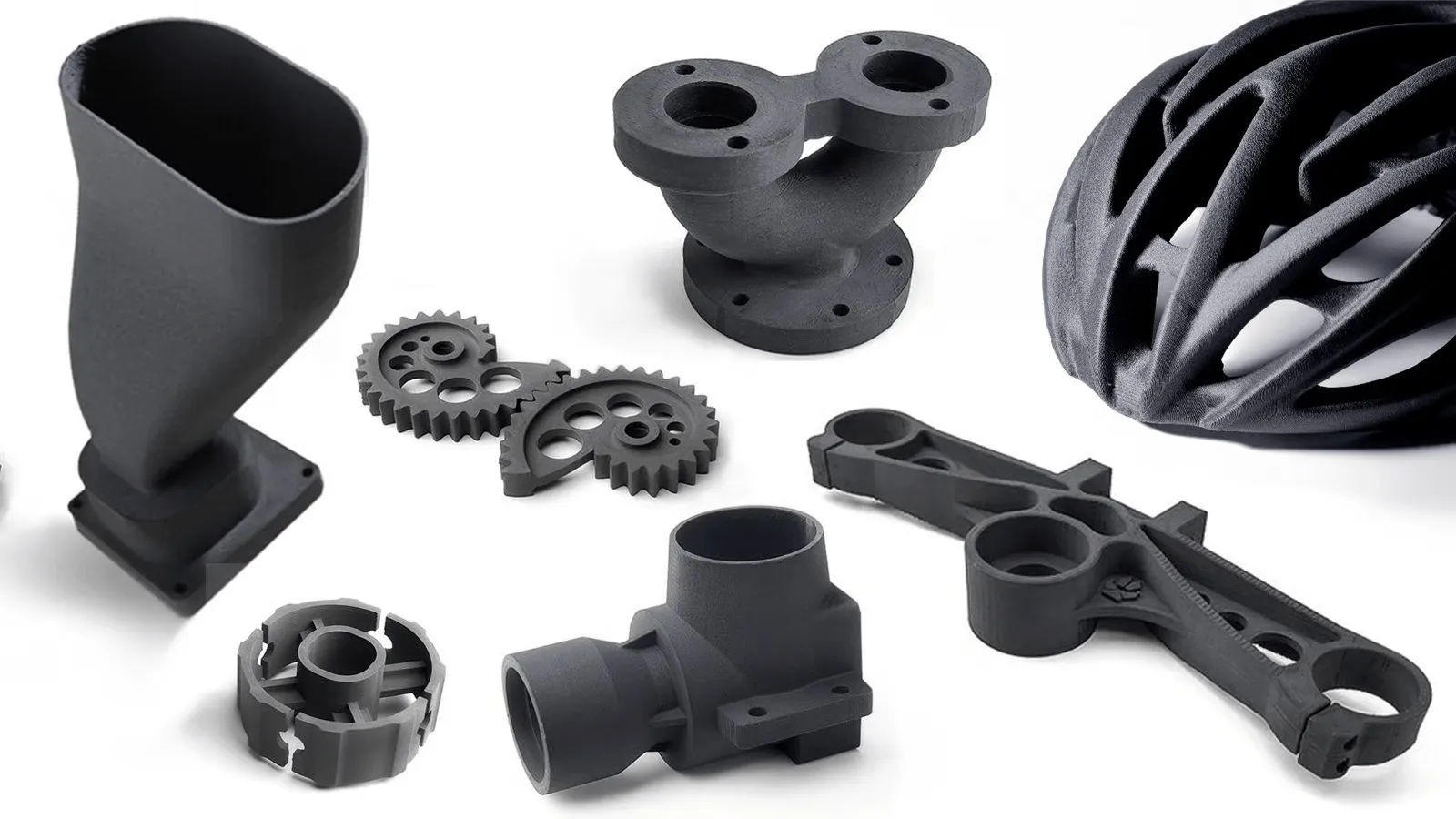
CF-Reinforced Filament

CF-Reinforced Filament
Carbon Fiber-Reinforced Engineering Filament

Engineered for applications that demand high stiffness and strength — carbon fiber reinforced filaments offer significant performance boost for structural components and industrial prototypes.
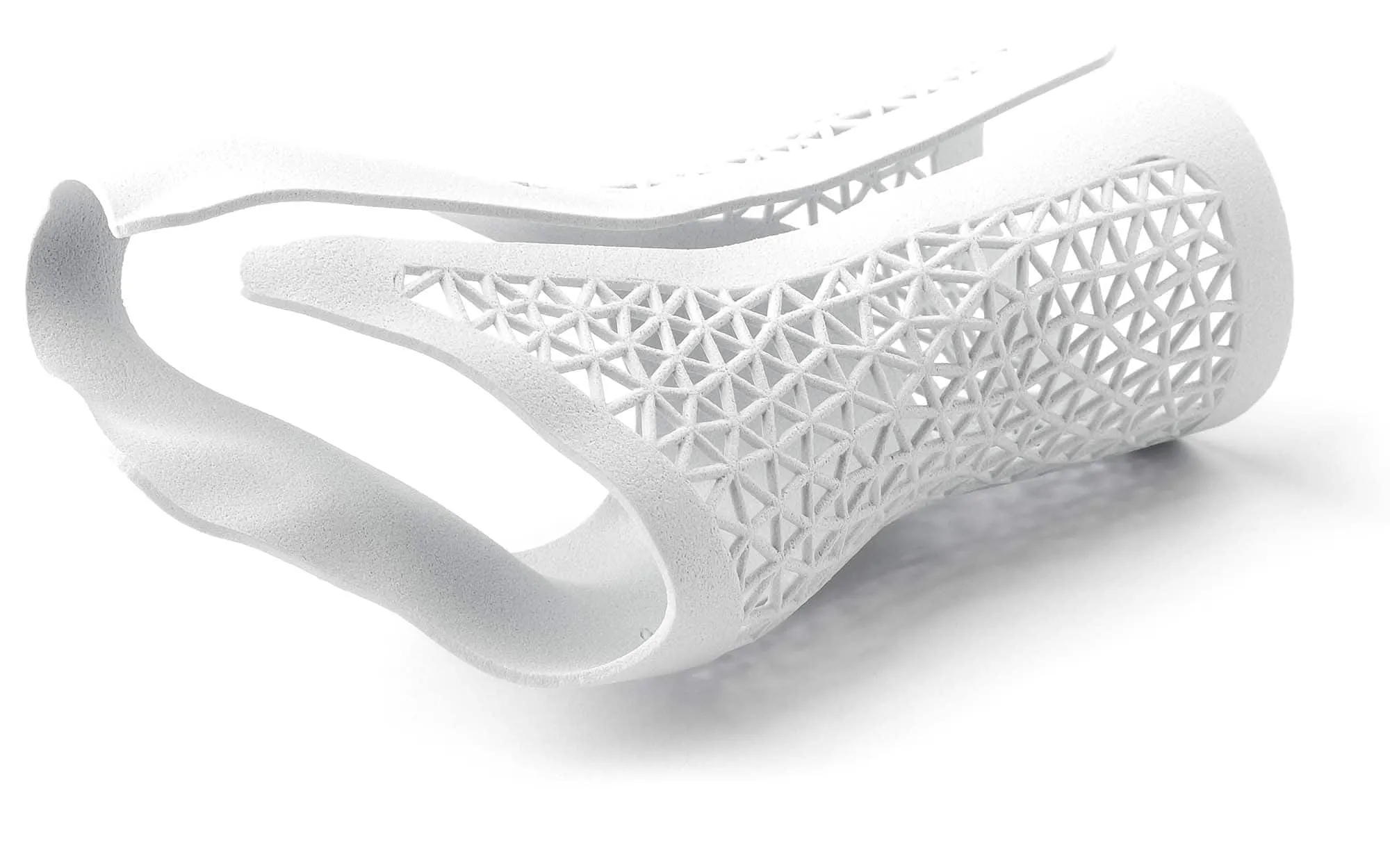
PA6-GF

PA6-GF
Nylon 6 with Glass Fiber

A high-performance engineering plastic designed for exceptional strength, durability and dimensional stability. More cost-effective than other top-tier engineering filaments.
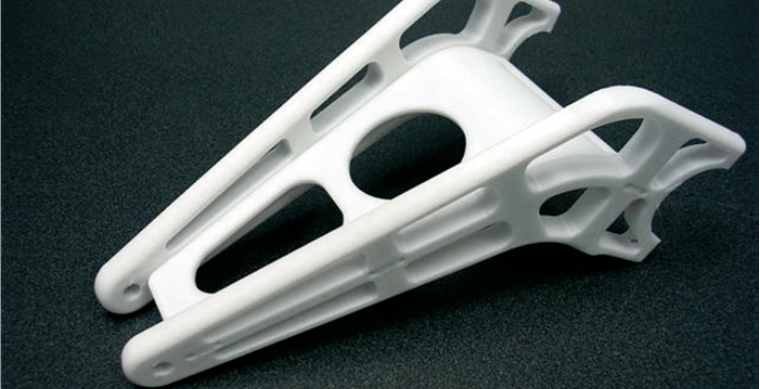
PC

PC
Polycarbonate

Polycarbonate provides outstanding toughness, high impact resistance and heat resistance — suitable for demanding engineering and safety-critical applications.
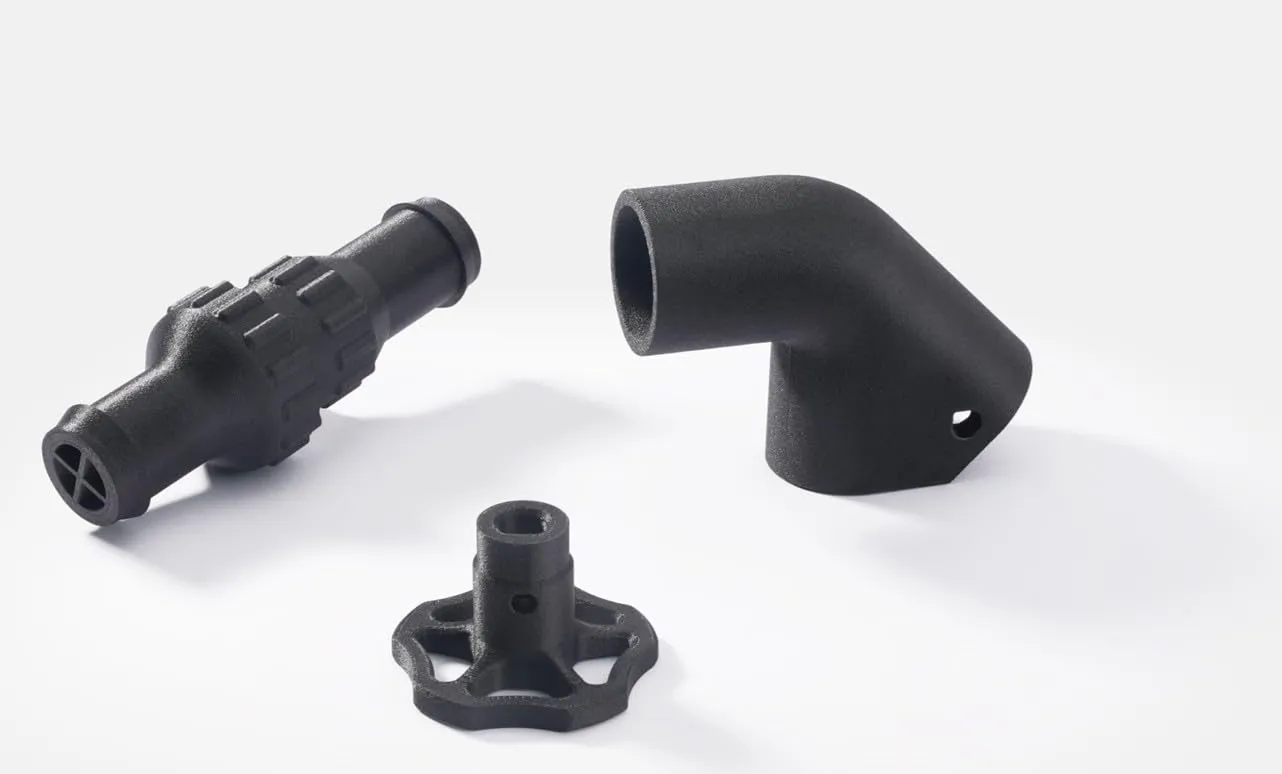
PPS-CF

PPS-CF
Polyphenylene Sulfide with Carbon Fiber

A composite material of PPS resin reinforced with carbon fiber providing excellent resistance to solvents, corrosion, heat and flame. Superior strength, stiffness and dimensional stability for the most challenging engineering applications.
Resin-based Materials (SLA / DLP)

High-detail materials for precision models and professional-quality surfaces.

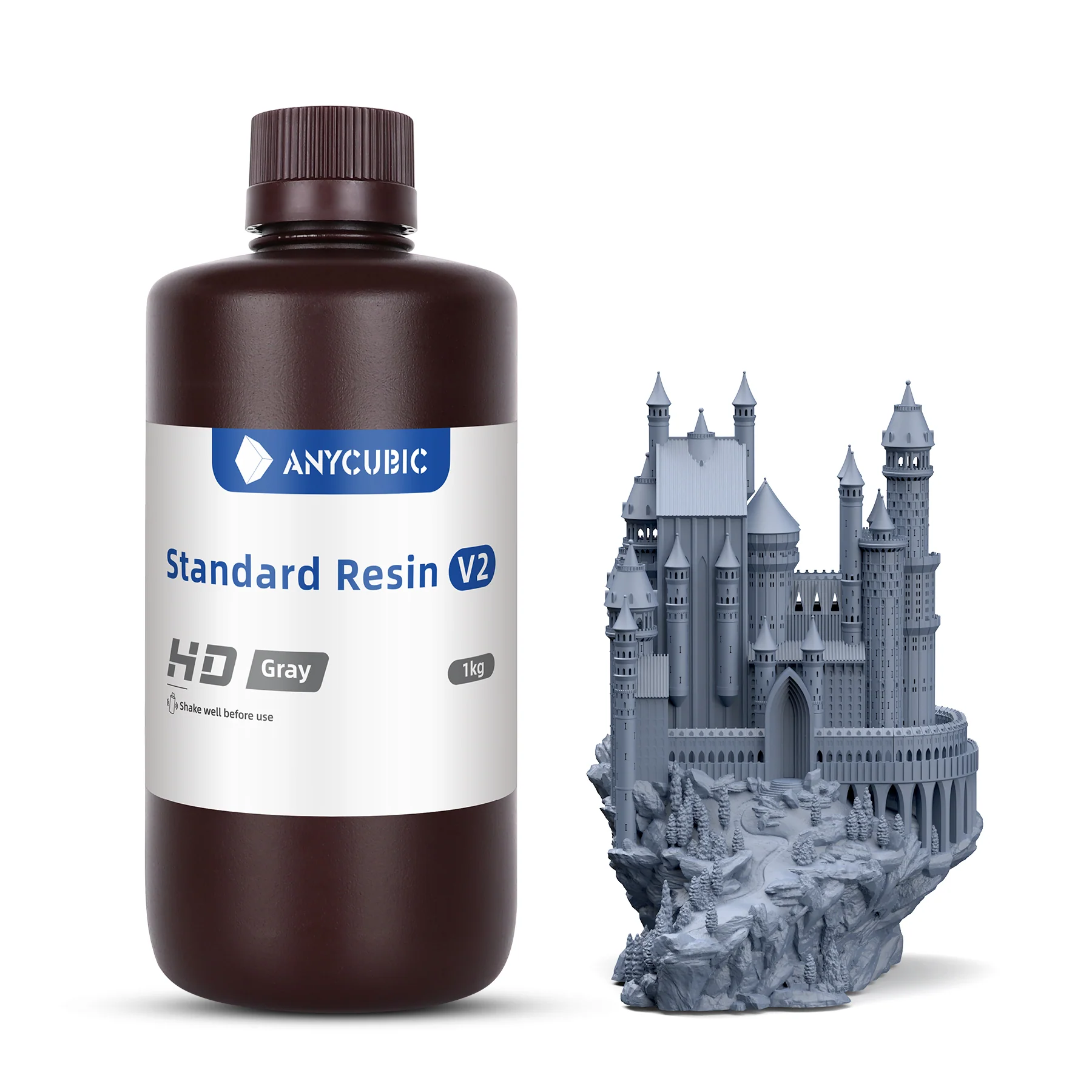
Standard Resin

Standard Resin

Perfect for highly detailed visual models and concept parts. Delivers smooth surface finishes and accurate geometry.

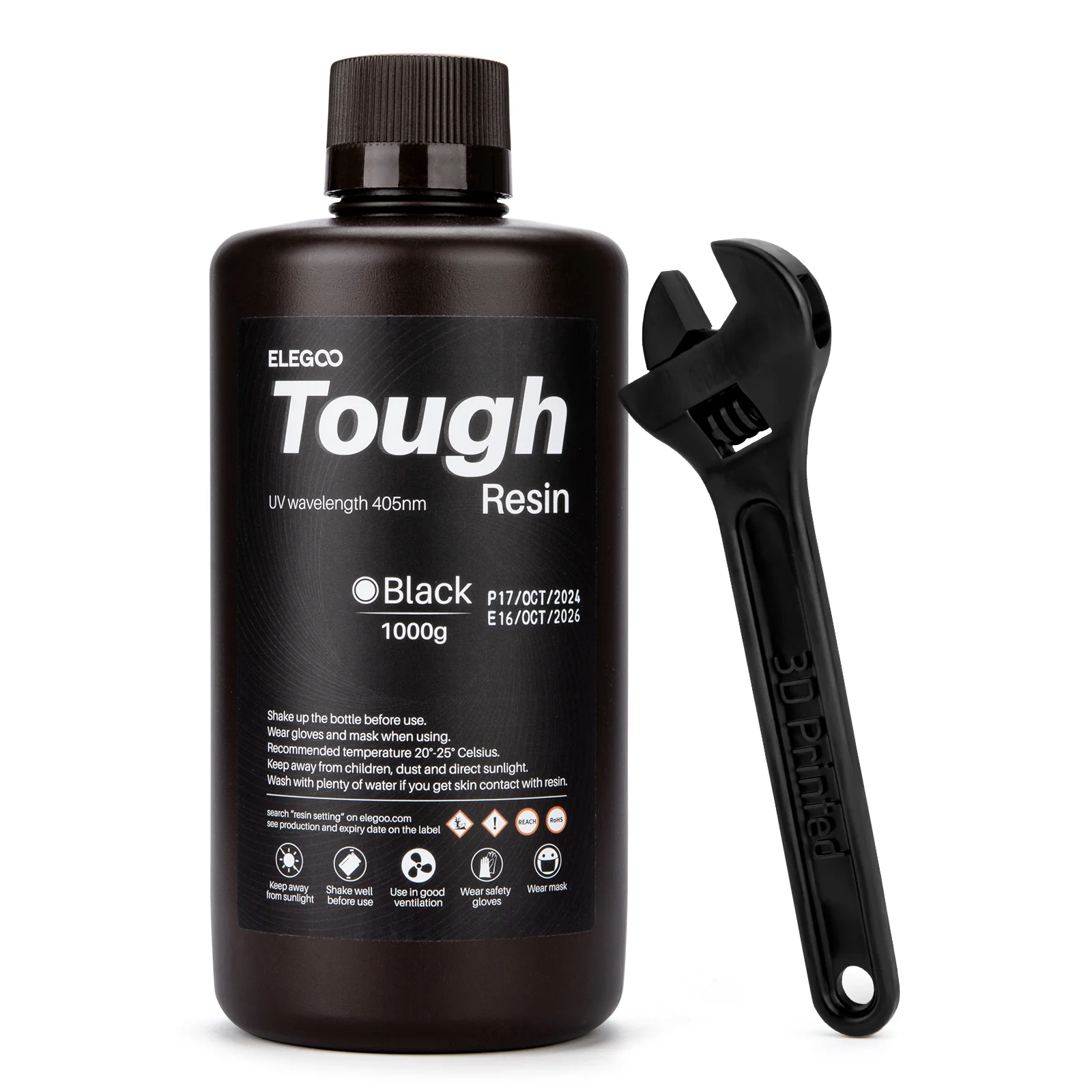
Tough Resin

Tough Resin

Engineered for mechanical stress and durability — ideal for functional parts, fixtures, and mechanical prototypes.

Transparent Resin

Transparent Resin

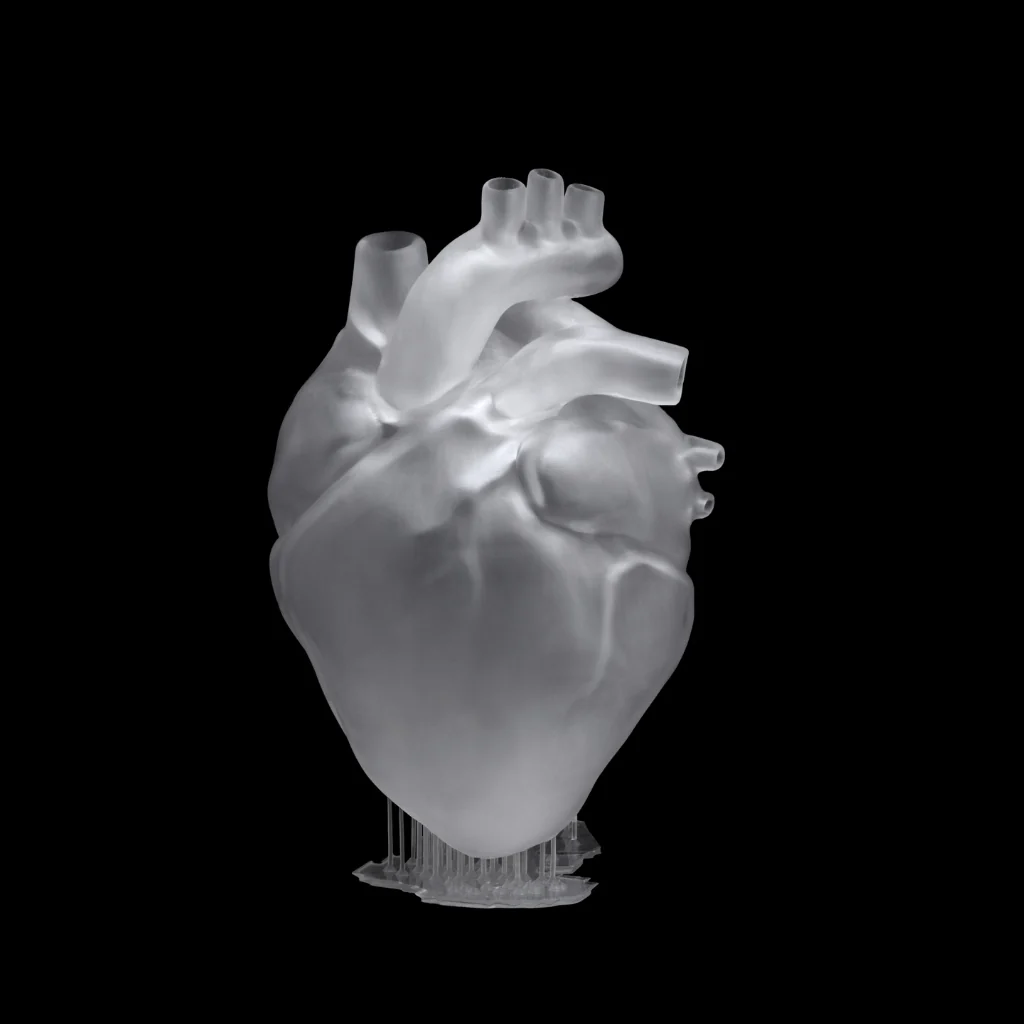
Offers glass-like clarity and smoothness. Used for optical components, enclosures, and fluidic applications.

Printing Parameters that Affect Strength

Material strength isn’t just about filament choice — print settings like infill percentage, pattern, and layer height play a crucial role.

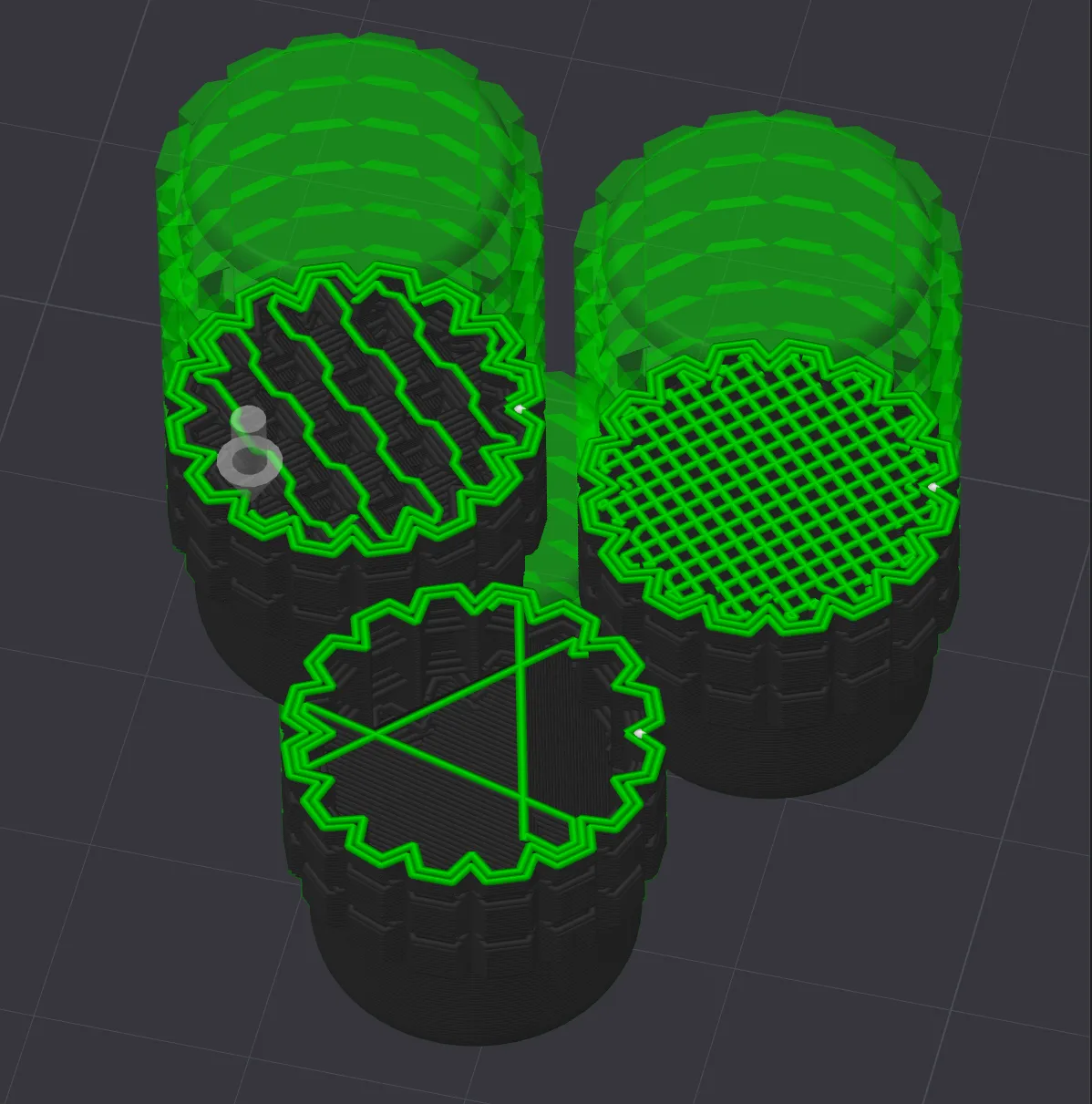
Infill Density Example

Infill Density (%)

Higher infill increases structural integrity but adds weight and print time. For functional parts, aim for 40–60%.

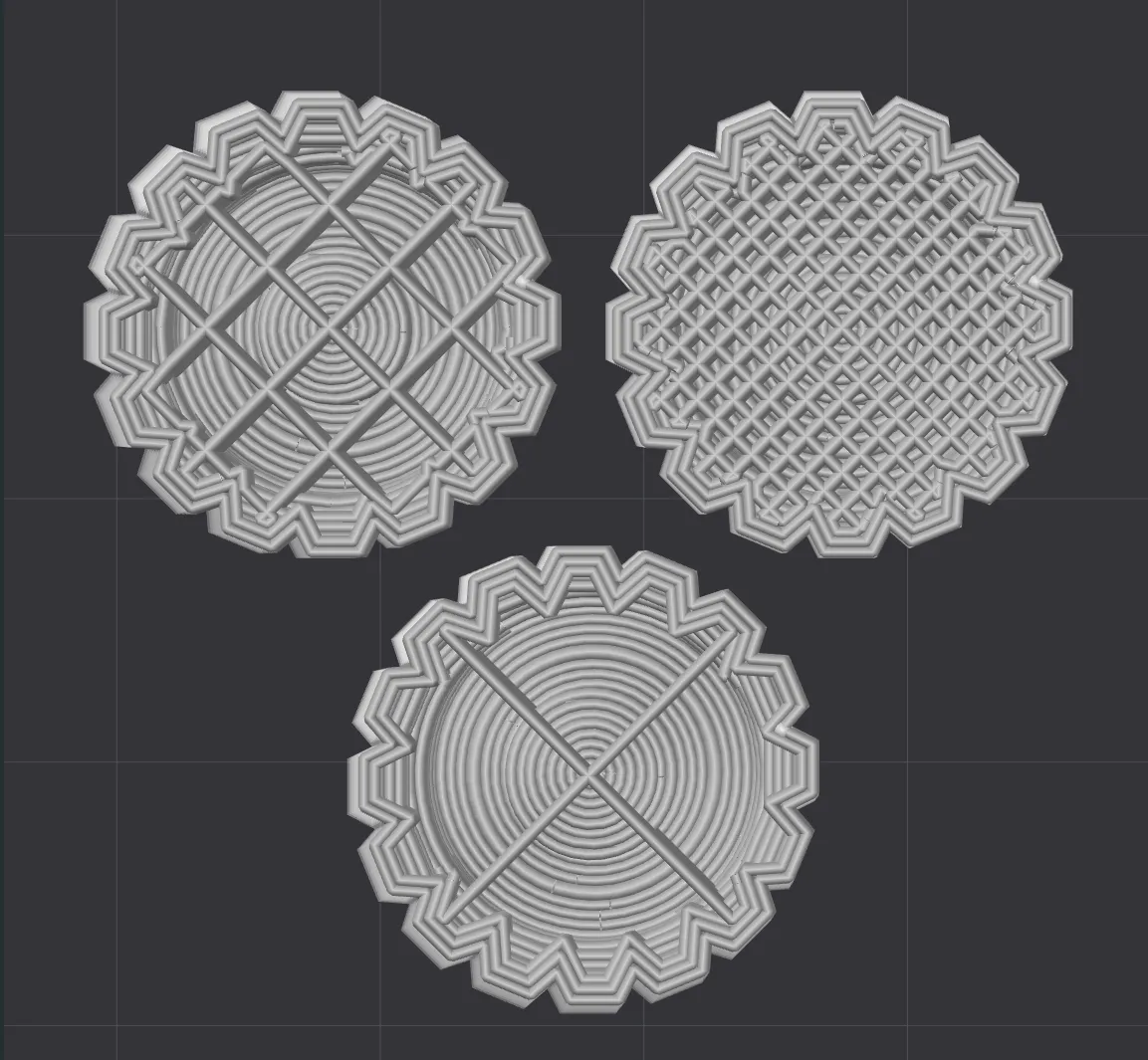
Infill Pattern Example

Infill Pattern

Different patterns distribute load differently — Gyroid for flexibility, Grid for rigidity, and Honeycomb for balanced performance.

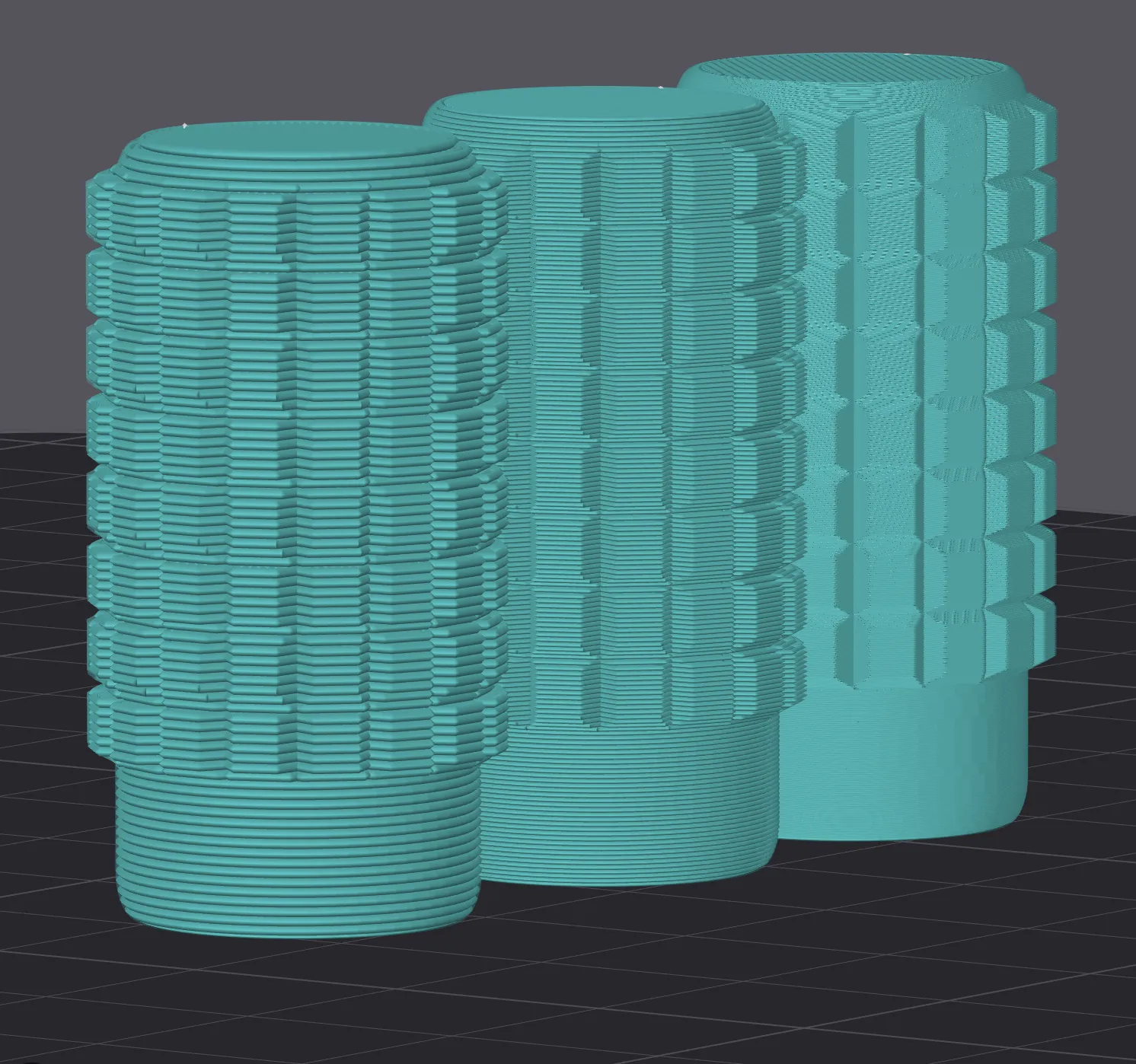
Layer Height Example

Layer Height

Lower layer height improves surface finish and part strength along the Z-axis. Common values: 0.1–0.2 mm.

Not sure which material fits your project?

Let our team guide you in selecting the right material for performance, cost, and application.

Talk to an Expert

Other materials and their specifications

We’ve compiled the key specifications of all available materials into the comparison table below, enabling you to easily evaluate their strengths and limitations.

If you’re unsure which material is best suited for your specific application, don’t hesitate to reach out — we’ll be glad to provide tailored guidance.

Material ABS Flexible PLA HIPS PETG Nylon Carbon Fiber ASA Polycarbonate Polypropylene Metal Wood PVA
Strength 40 MPa 26 - 43 MPa 65 MPa 32 MPa 53 MPa 40 - 85 MPa 45 - 48 MPa 55 MPa 72 MPa 32 MPa 20 - 30 MPa 46 MPa 78 MPa
Hardness 5/10 1/10 7.5/10 10/10 5/10 5/10 10/10 5/10 6/10 4/10 10/10 8/10 3/10
Durability 8/10 9/10 4/10 7/10 8/10 10/10 3/10 10/10 10/10 9/10 4/10 3/10 7/10
Max Temperature 100°C 60–75°C 55°C 100°C 75°C 80–95°C 55°C 95°C 120°C 100°C 55°C 55°C 75°C
Coefficient of Thermal Expansion 90 µm/m·°C 157 µm/m·°C 68 µm/m·°C 80 µm/m·°C 60 µm/m·°C 95 µm/m·°C 57.5 µm/m·°C 98 µm/m·°C 69 µm/m·°C 150 µm/m·°C 33.75 µm/m·°C 30.5 µm/m·°C 85 µm/m·°C
Density 1.04 g/cm3 1.19–1.23 g/cm3 1.24 g/cm3 1.03–1.04 g/cm3 1.23 g/cm3 1.06–1.14 g/cm3 1.3 g/cm3 1.07 g/cm3 1.2 g/cm3 0.9 g/cm3 2.0–4.0 g/cm3 1.15–1.25 g/cm3 1.23 g/cm3
Printability 8/10 6/10 9/10 6/10 9/10 8/10 8/10 7/10 6/10 4/10 7/10 8/10 5/10
Extruder Temperature 220–250°C 225–245°C 190–220°C 230–245°C 230–250°C 220–270°C 200–230°C 235–255°C 260–310°C 220–250°C 190–220°C 190–220°C 185–200°C
Bed Temperature 95–110°C 45–60°C 45–60°C 100–115°C 75–90°C 70–90°C 45–60°C 90–110°C 80–120°C 85–100°C 45–60°C 45–60°C 45–60°C
Flexible
Elastic
Impact Resistant
Soft
Composite
UV Resistant
Water Resistant
Soluble
Heat Resistant
Chemically Resistant
Wear Resistant
Material ABS Flexible PLA HIPS PETG Nylon Carbon fiber ASA Polycarbonate Polypropylene Metal Wood PVA